
Zijin Gold moves big in Africa with Allied Gold takeover
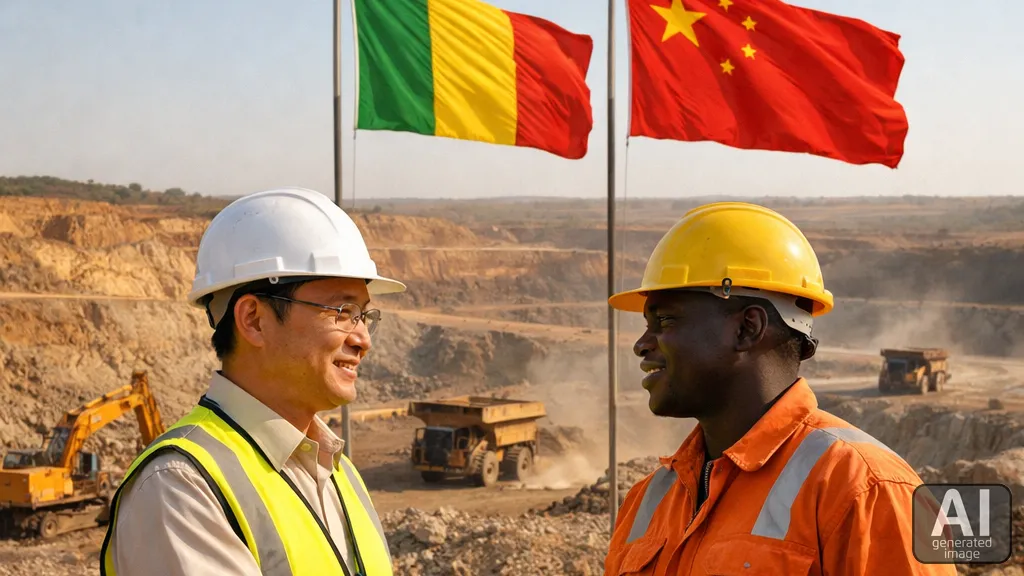
Zijin Gold International agrees to acquire Allied Gold for C$5.5 billion, expanding its gold footprint across Ghana, Mali, Côte d’Ivoire, and Ethiopia.
Zijin Gold International, a subsidiary of Zijin Mining, is making a decisive move to deepen its presence in Africa’s gold sector through a major acquisition of Allied Gold. The all cash transaction, valued at approximately C$5.5 billion, marks one of the largest recent mining takeovers involving African assets and signals strong confidence in the continent’s long term gold potential. The deal comes at a time when global gold prices are at historic highs, reinforcing the strategic timing of Zijin’s expansion.
Under the terms of the agreement, Zijin Gold International will acquire 100 percent of Allied Gold’s outstanding shares at a price of C$44 per share, implying a total transaction value of roughly US$4 billion. The acquisition is subject to customary regulatory approvals and a shareholder vote, with both companies targeting completion by the end of April. If finalized as planned, the transaction will significantly scale up Zijin’s gold portfolio outside China and further internationalize its asset base.
Strategically, the takeover expands Zijin’s African footprint well beyond its existing Akyem mine in Ghana. Allied Gold brings with it a diversified portfolio of producing assets in Côte d’Ivoire and Mali, as well as a development stage project in Ethiopia. This geographic spread not only increases Zijin’s exposure to multiple gold producing jurisdictions, but also reduces single country risk while positioning the group across both West and East Africa’s emerging mining corridors.
From a production standpoint, the combined entity is expected to deliver meaningful growth over the medium term. Current forecasts point to gold output of around 400,000 ounces in 2025, with potential expansion to as much as 800,000 ounces annually by 2029 as development projects are advanced and operational efficiencies are realized. This growth profile is underpinned by sustained strength in gold prices, which have surged above US$5,000 per ounce, encouraging mining companies to pursue mergers and acquisitions to secure long life, high quality reserves.
The deal is also unfolding against a backdrop of increasing government oversight of the mining sector across parts of Africa, particularly in Mali, where authorities have been tightening regulatory scrutiny and seeking greater state participation. As a result, the transaction is being closely watched by industry participants, policymakers, and investors alike, as it may set important precedents for future foreign investment and consolidation in African mining markets.
Looking ahead, Zijin’s acquisition of Allied Gold could have far reaching implications for Africa’s mining industry. The entry of a well capitalized Chinese major with a long term investment horizon may accelerate project development, infrastructure investment, and technology transfer across host countries. At the same time, heightened regulatory engagement could lead to more structured partnerships between governments and mining firms. If managed effectively, this convergence of capital, resources, and policy oversight has the potential to strengthen Africa’s position as a cornerstone of global gold supply while contributing to broader economic development in key producing nations.
Mini-Glossary
- All cash transaction: A deal where the buyer pays entirely in cash rather than shares or other instruments.
- Footprint: The scale and geographic reach of a company’s operations.
- M&A activity: Mergers and acquisitions, referring to companies buying, selling, or combining businesses.
- Production forecast: An estimate of how much metal a mine or group of mines is expected to produce over a given period.
- Regulatory oversight: Supervision and control exercised by governments to ensure compliance with laws and policies.
Editor: Vural Burç ÇAKIR